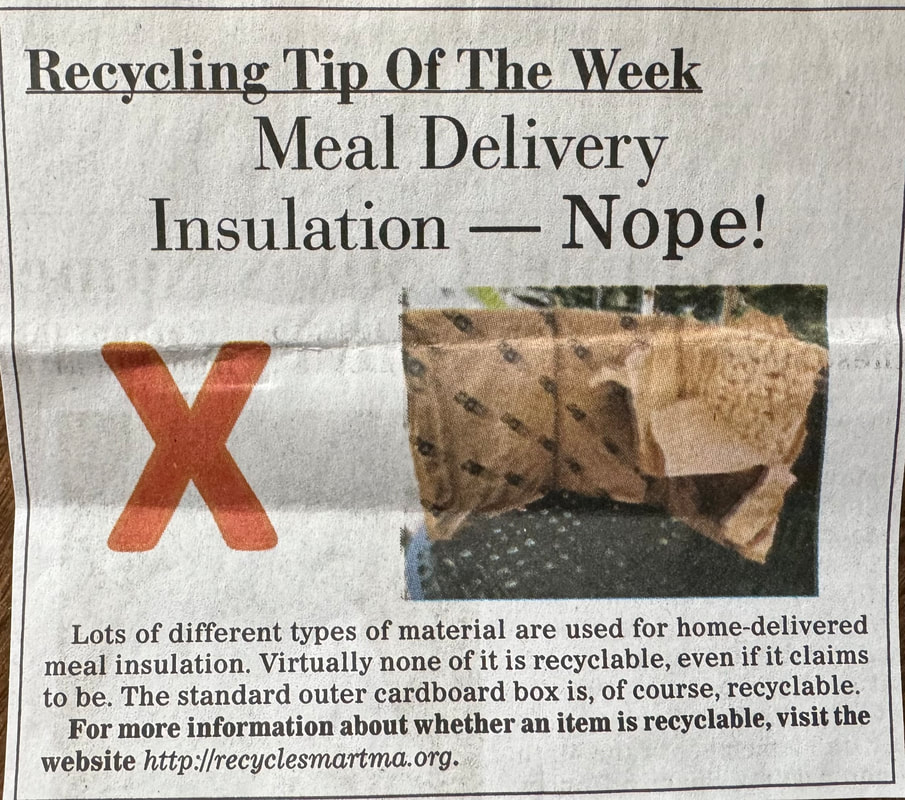
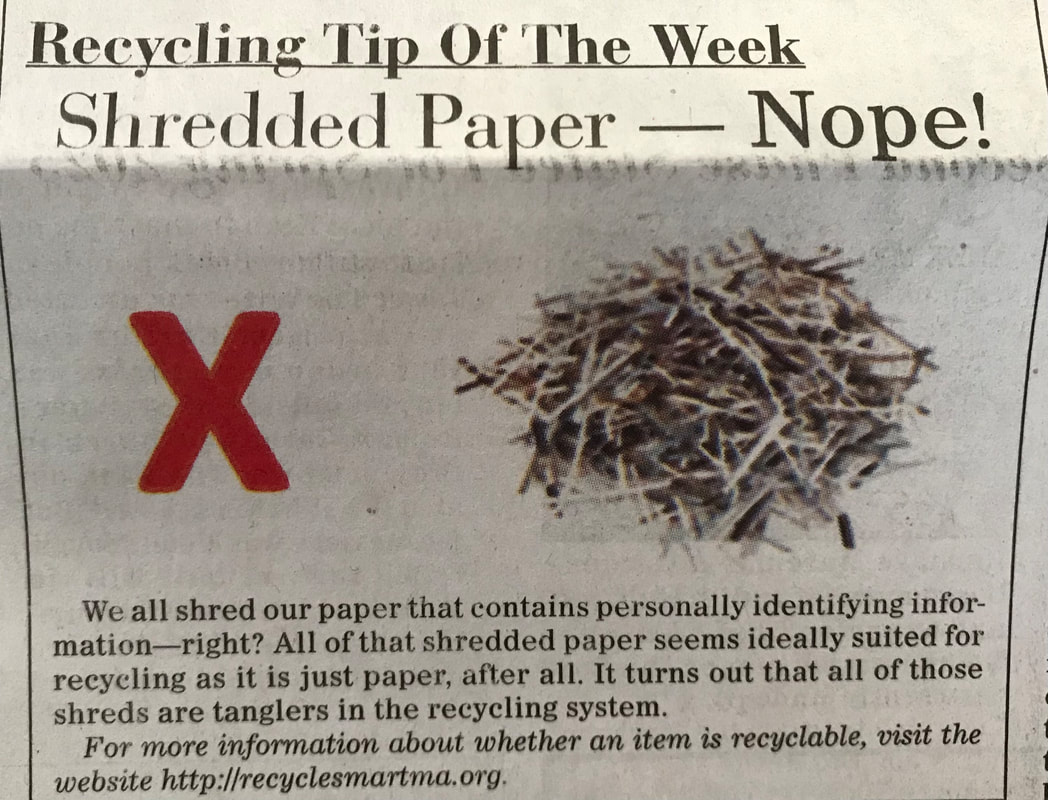
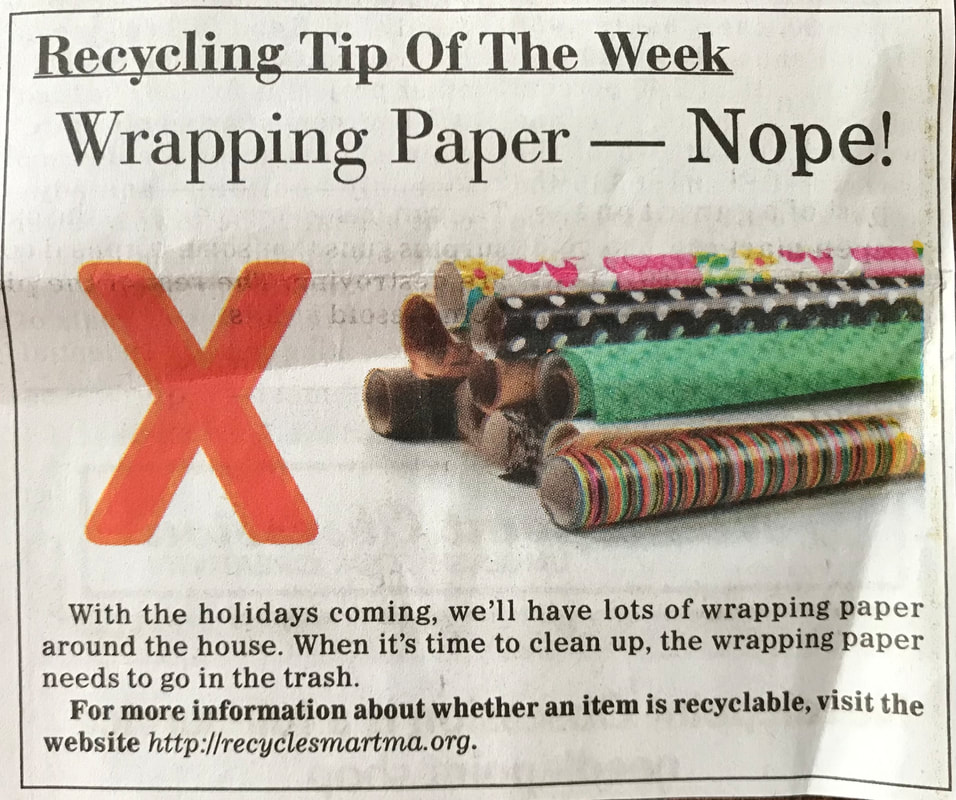
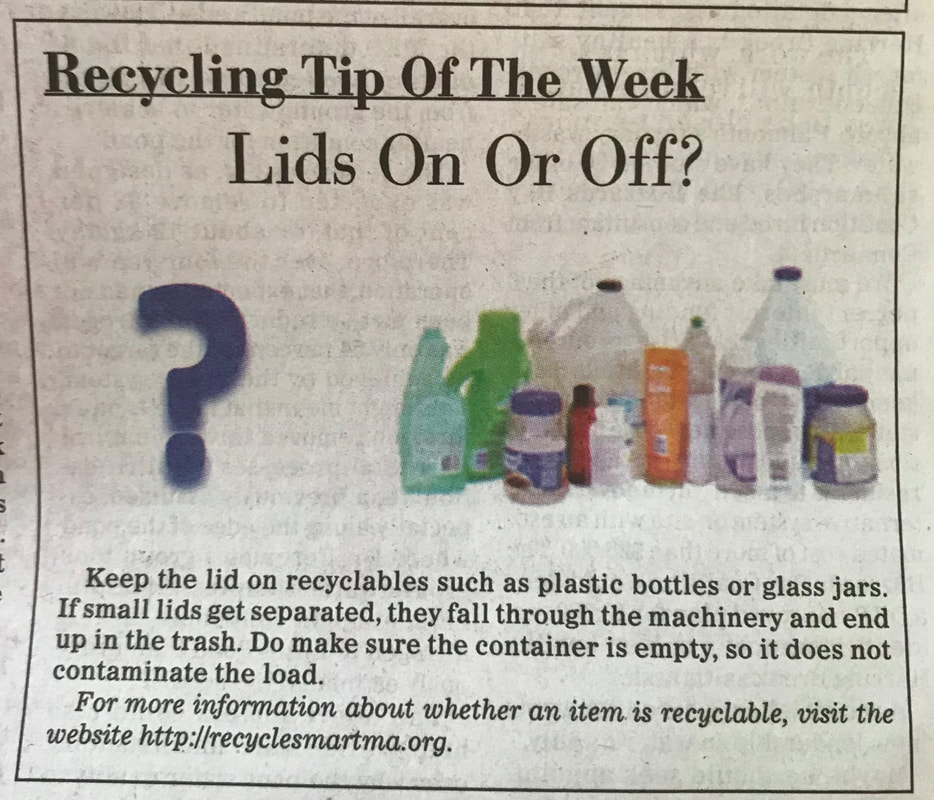
|
Pro Organizing Tips for Every Room in the House: A Guide to the Most Critical Areas Guest Post: Stephanie Denton www.spiritandspacellc.com www.facebook.com/profile.php?id=100076290312813 www.instagram.com/spiritandspacellc www.linkedin.com/in/stephanie-denson-16ba8846/ A well-organized home isn’t just visually appealing—it saves time, reduces stress, and makes everyday tasks smoother. But with so many rooms and responsibilities competing for your attention, it can be overwhelming to decide where to start. The trick is to focus on the critical areas of each room—the spaces that influence your daily routine the most.
These easy tips will help you transform every room in your home into a functional and clutter-free environment. Kitchen: Streamline the High-Traffic Zones The kitchen is the heart of the home, but it’s also one of the easiest places to fall into disarray. Focus on these crucial areas: Counters and Drawers
Pantry Essentials
Living Room: Tame the Surfaces and Storage Hotspots The living room is where family life meets relaxation, so clutter often builds up fast. Coffee Table & Side Tables
Storage Systems
Bedrooms: Prioritize Nightstand and Closet Control A cluttered bedroom can add stress and make it harder to relax, impacting your quality of sleep. If nothing else, ensure that the surface beside your bed is orderly, and that the closet works for you. Nightstand
Closet Organization
Bathrooms: Maximize Storage Systems Small spaces like bathrooms need strategic organizing to stay functional. This is a room that almost always has items to purge, from half-empty old bottles to expired products and samples you never used. Toss expired medications and unused products regularly. Under-Sink Cabinet
Medicine Cabinet and/or Drawers
Home Office: Declutter Your Work Zones A clutter-free office boosts productivity and helps you stay focused. Desk Surface
Paper Storage
Entryway: Command Center Essentials The entryway (for the door your family uses most) or mudroom is the go-to spot for keys, chargers, mail, and schoolwork—things your family moves in and out of the house. Make it work for you so that everyone knows where to drop and grab essentials. Hooks & Racks
Keys and Mail
Laundry Room: Make Your Space Work Harder Laundry rooms often double as storage, so keep essentials streamlined. Detergent and Supplies
Space-Saving Extras
Final Thoughts: Start Small, Stay Consistent An organized home doesn’t happen in a day; it’s built through smart systems and consistent habits. There’s no “right” way to organize, and some people have a higher tolerance for clutter. But almost all of us have areas that get away from us. By focusing on the most critical areas of each room, you can make noticeable improvements without feeling overwhelmed. Start with one room, or even just one trouble spot, and build from there. Every small win adds up! Share your success in the comments below. Remember if you need organizing assistance and support with your family life, home and/or office, you are cordially invited to contact ... Donna LaRoche, M.Ed., Professional Organizer, 617.640.2366 Organizing Barnstable, Bourne, Chatham, Dennis, Eastham, Falmouth, Hyannis, Martha's Vineyard, Nantucket, Orleans, Provincetown, Sandwich, Truro and Yarmouth "We are a nation of many nationalities, many races, many religions- bound together by a single unity,
the unity of freedom and equality." -Franklin D. Roosevelt 3 Ways to Buy Less After You Have Decluttered Guest Post: Sarah Metcalf www.srmorganizing.com @srmorganizing You tackle your big organizing project, you declutter, you install the systems, you finally get things the way you want them in your home, then three months later you look around at new piles of stuff and wonder, “What happened?”
A piece of the organizing puzzle that is often overlooked is the ongoing inflow of stuff. You work so hard to correct the clutter problem in the present, but if you don’t look at your purchasing habits, you may be in a similar situation in the near future. This creates a loop of buying and decluttering that continues to repeat itself. Pay Attention to the Stuff Coming into Your Home Life is busy. We are sold solutions to make life more manageable, yet sometimes those solutions become part of the problem:
Take an inventory of your household buying habits. Review your credit card statements. Look at your auto-ship subscriptions and online purchases over the last few months. Get curious about the patterns you see. What shifts could you make to reduce the volume of stuff coming into your home? This is also a great time to think about other avenues of how stuff accumulates in your life. This could include thrifting, garage sales, holiday gifts, accepting free items from friends and family, or taking in family heirlooms. Pay attention to your incoming mail. Are you receiving more magazines, catalogs, or mailers than you would like or expect? These are all ways that we can add significant clutter and bulk to our homes without realizing it. As you identify the ways in which stuff is accumulating faster than you can manage, think about what it will take to reduce or stop the inflow. Maybe it is a conversation with a relative or it could be that you need to reduce your incoming mail by opting out of magazines and catalogs. If you are a parent with younger kids, you probably are dealing with an almost daily inflow of paperwork, artwork, and small toys. This does get better as kids get older, my high schooler rarely brings in much paperwork or clutter. On the other hand, my kindergartener brings home a folder bursting with paper every single school day! I have found taking 5-10 minutes each night to process the incoming paper and artwork to be helpful. If I let it pile up too many days in a row, it feels overwhelming and I tend to miss important communication. Try a No-Buy Challenge Consider trying a No-Buy Challenge. These challenges are usually a month long, but you could see a benefit after a few weeks. What I personally like about this exercise is that it acts as a sort of reset button for my purchasing habits. It makes me pause and think before I order something new. I keep a running list of everything I was tempted to buy, and at the end of the challenge, I review it to see if I still want those things. Most of the time I don’t. Marketers are good at creating urgency in our buying. When we intentionally add in a pause, the urgency tends to fade. I highly recommend the book No New Things by Ashlee Piper for a thoughtful 30-day challenge. Consider Where You Spend Your Money How and where we spend our money is a form of power. You are voting with your dollars every time you buy something. When you look at your spending habits from this mindset, what aligns with your own values and what would you like to shift? Money spent at a local business typically keeps 68% of every dollar spent in your local economy, which strengthens the fabric of your community. Can you shift some of your spending to support your local small businesses versus supporting billionaires or large companies? You don’t need to overhaul your spending all at once, but thoughtful shifts can make an impact. Each purchase is a choice. Here are some ways I love to shop local:
It feels good to know that my purchases help to support people in my community. If we want locally owned shops in our communities, we must support them. If not, they cannot keep the lights on and their doors open. Where we spend our money matters. Editor’s note: A popular app called Goods Unite Us lets you see how brands and companies lean politically, including where they direct their donations. Understanding how their values align—or don’t—with yours can help you make more informed choices about where you spend your money and could deinfluence your spending. Identify Your Next Step The work of organizing is an ongoing process. As long as we own things, we will need to maintain them in some way. We can make that job easier for ourselves by reducing the volume of new things coming into our homes and getting intentional with our spending. What would make the biggest impact to reduce the inflow of stuff coming into your life? Getting curious and making some small changes in the present can make a big difference over time. Financial Foundations for Productivity and Organizing Professionals: Master Your Money, Maximize Your Impact Buried in Treasures Workshops Hoarding Specialists SIG Open Call Meet the author, Sarah Metcalf Sarah is a professional organizer located in Eau Claire, WI, focusing on residential and small business organization. She enjoys working one on one with clients to find solutions tailored to their individual needs. Sarah combines her interior design background with her passion for organizing to bring her clients spaces that are functional and beautiful. Remember if you need organizing assistance and support with your family life, home and/or office, you are cordially invited to contact ... Donna LaRoche, M.Ed., Professional Organizer, 617.640.2366 Organizing Barnstable, Bourne, Chatham, Dennis, Eastham, Falmouth, Hyannis, Martha's Vineyard, Nantucket, Orleans, Provincetown, Sandwich, Truro and Yarmouth Taming Stress in the Body: How Clutter Keeps Us on Alert Guest Post Melinda Rathkopf, MD, MBA and Ashley Sewall, PhD May is Mental Health Awareness Month, a time to consider how mental well-being is shaped not only by our thoughts, but also by our environments.
This article launches a two-part series in honor of Mental Health Awareness Month, written by The Declutter Docs, Melinda Rathkopf, MD, MBA, and Ashley Sewall, PhD. Drawing on expertise in medicine, psychology, and human behavior (as well as their impressive experience in the organizing and productivity industry), the authors explore the growing body of research connecting our physical environments to physiological stress responses. In this blog post, they examine how clutter influences the nervous system and introduce organizing as a practical mind-body wellness tool—highlighting the power of small, consistent “micro-resets” instead of overwhelming overhauls. Cluttered spaces do more than look chaotic. They can keep the body in a steady state of low-grade stress. Decluttering can have the opposite effect by acting as a physiological reset, similar to the “micro-resets” described by Ashley Sewall, PhD. These brief, manageable actions help calm the nervous system without adding more overwhelm. Micro-resets help interrupt the stress loop, reduce cognitive load, restore a sense of control, and give the nervous system a quick signal of completion. While micro-resets are intentionally small and not overwhelming, their impact is often outsized relative to the effort. When the environment is contributing to a chronic stress signal, even small visible changes can meaningfully reduce that input. Without that explanation, some readers might assume the actions are too small to matter if the problem feels big or systemic. Understanding the biology behind this helps explain why organization is more than aesthetics—it is regulation. The Stress Response: Cortisol and the HPA Axis The body has an elegant alarm system designed for survival. When the brain perceives stress, it activates the hypothalamic–pituitary–adrenal (HPA) axis, leading to the release of cortisol. In the short term, cortisol
This response is adaptive in true danger. But when stress signals remain chronically activated, elevated cortisol has been associated with fatigue, sleep disturbance, impaired concentration, and inflammation. Research suggests that environments described as cluttered may be associated with altered cortisol patterns, particularly in women who perceive their homes as chaotic rather than restorative (Saxbe & Repetti, 2009). In other words, how we experience our environment may influence how our stress system behaves throughout the day. Clutter may not be a threat in the traditional sense, but visually overloaded environments can reinforce a sense of unfinished tasks and ongoing demand. Clutter and Cognitive Load Beyond stress hormones, clutter affects executive function. The brain’s prefrontal cortex has limited attentional bandwidth. Every visible object competes for processing. Studies in cognitive science show that visual clutter increases attentional demand and reduces task efficiency. When the environment constantly signals “unfinished business,” working memory becomes taxed. Over time, this cognitive load can contribute to:
For individuals with anxiety, ADHD, depression, or trauma histories, environmental overstimulation may have an amplified impact on nervous system regulation. The Nervous System: Stuck in “On” Mode When the sympathetic nervous system (the “fight or flight” system) remains activated, the parasympathetic system—the body’s “rest and digest” mode—has difficulty engaging. Organized environments may help reduce this background activation. Fewer visual cues can mean fewer stress signals competing for attention. While organization alone is not a treatment for mental health disorders, it can reduce environmental stress inputs that contribute to physiologic arousal. Professional organizers often observe that clients report feeling “lighter” or “grounded” after sessions. From a physiological standpoint, this aligns with reduced cognitive load and improved perceived control—both important components of stress regulation. Environment and Sleep Cortisol follows a natural daily rhythm: highest in the morning and gradually declining toward evening. Persistent stress can disrupt this pattern and interfere with sleep onset and quality. Sleep health experts emphasize that our environment plays a meaningful role in sleep regulation, including minimizing stimulation in the bedroom and creating cues for safety and rest. A clutter‑free sleep space may support the body’s natural evening wind‑down process and improve sleep latency and continuity (American Neuropsychiatric Association & National Sleep Foundation, 2025). Even small environmental resets before bed may reinforce the brain’s signal that the day is complete. Decluttering as a Body‑Friendly Wellness Tool Organization is not about perfection. It is about reducing unnecessary stress inputs. Research in environmental mental health consistently demonstrates that surrounding conditions influence psychological and physiological well-being (Nature Medicine, 2023). While most studies focus on urban design, noise, and green space, the principle extends inward: The spaces we inhabit shape our stress responses. Professional organizing can therefore be reframed as a supportive health behavior—one that helps lower background stress load and promote regulation. Small, consistent actions are often more sustainable than large overhauls. That is where micro‑resets become powerful. Micro–Reset Starters Counter Reset (60 seconds) Clear one visible surface. Notice whether your breathing slows once visual input decreases. Inbox Triage (5 minutes) Sort papers into three simple categories: act, file, discard. Reducing ambiguity reduces cognitive load. Nightly Close Reset your sleep area before bed. This supports the brain’s transition from task mode to rest mode. Light Shift In the morning, open blinds soon after waking to anchor your circadian rhythm and support alertness. In the evening, dim lights and shift to warm or red tones. Longer wavelengths (amber/red) suppress melatonin far less than blue or cool white light. Lower brightness matters as much as color—think bright days, dim warm nights. Consider a smart bulb for your bedside lamp so you can easily shift to a dim red setting about an hour before bed. The Bigger Picture Mental health is shaped by biology, psychology, relationships, and environment. While decluttering is not therapy, it can support nervous system regulation by reducing persistent environmental stress cues. During Mental Health Awareness Month, it is worth recognizing that productivity experts and professional organizers are not simply creating efficient schedules or tidying homes; they are helping clients build environments that support focus, rest, and resilience. Calm spaces create calm bodies. Calm bodies create clear minds. Additional Resources Brain-Based Conditions Specialist Certificate Organizing the Invisible: Women, ADHD, and Emotional Labor How Executive Function or ADHD Challenges Manifest in the Workplace (and How YOU Can Help) Household Management Specialist Certificate I Guess I Should Do It: Help Clients Deal with Ambiguity & Ambivalence Overcoming Overwhelm, Learn to Reflect, Refresh and Refocus References Saxbe, D. E., & Repetti, R. L. (2009). No place like home: Home tours correlate with daily patterns of mood and cortisol. Personality and Social Psychology Bulletin, 35(7), 898–912. Sewall, A. (2026). Microresets and nervous system regulation. Declutter Docs. https://www.declutterdocs.com/post/micro-resets-cleaning-without-the-burnout American Neuropsychiatric Association & National Sleep Foundation. (2025). Sleep health awareness statement. Journal of Neuropsychiatry and Clinical Neurosciences. Lederbogen, F., et al. (2023). Effects of urban living environments on mental health in adults. Nature Medicine. Meet the authors, Melinda Rathkopf, MD, MBA, and Ashley Sewall, PhD Melinda Rathkopf, MD, MBA is a physician, productivity and efficiency consultant, and professional organizer based in Atlanta. With an MD, MBA, and years of clinical experience including running her medical practice, she applies a structured, evidence-based approach to organization and efficiency. She is the co-founder of Declutter Docs, where she empowers clients to build streamlined, sustainable workflows to improve efficiency and reduce stress. Ashley Sewall, PhD is a researcher, editor, and organizer based in the Atlanta area. With a doctorate in Human Factors Psychology and more than a decade of experience studying human behavior, systems, and everyday environments, she brings a practical, people-centered lens to organizing and productivity. She is the co-founder of Declutter Docs, where she helps clients create more functional, supportive spaces with less overwhelm. declutterdocs.com linkedin.com/company/declutter-docs instagram.com/declutterdocs facebook.com/declutterdocs Earth Day and organizing are more connected than people realize. At first glance, Earth Day might bring to mind recycling bins, reusable tote bags, and planting trees. Organizing, on the other hand, feels like it belongs in a different category entirely, something personal, domestic, and focused on your home.
But the truth is, organizing is one of the most practical, everyday ways we can care for the planet. Because the way we manage our spaces directly impacts the way we consume, waste, and live. Organizing is Sustainability in Action Earth Day is about being mindful of our footprint. Organizing is about being mindful of what we already have. When your home is cluttered, it’s easy to lose track of your belongings. Items get buried in drawers, forgotten in closets, and replaced unnecessarily. How many times have you bought
Clutter leads to overconsumption. Organizing helps break that cycle. When everything has a home, you can actually see what you own, use what you have, and buy less. Decluttering Doesn’t Mean Throwing Everything Away One of the biggest misconceptions about organizing is that it’s just getting rid of things. But true organizing is about intentionality, not disposal. Earth Day reminds us that the planet doesn’t benefit from us simply moving our excess from our homes into landfills. A sustainable organizing process asks these eco-conscious questions:
A Well-Organized Home Reduces Waste When your kitchen is organized, food doesn’t go bad in the back of the fridge. When your storage is functional, you don’t forget about supplies you already have. When your closet is streamlined, you stop impulse shopping for items that don’t actually serve you. Organization helps you waste less, naturally. It supports a lifestyle where you use what you own, maintain what you have, and make thoughtful choices moving forward. Earth Day Starts at HomeI It’s easy to think environmentalism has to be grand or complicated. But Earth Day isn’t only about big policy changes or major lifestyle shifts. Sometimes, it’s about small, consistent decisions. Organizing is one of those decisions. Because when you create systems that work, you
That ripple effect matters. Mindful Spaces Create Mindful Living Clutter often creates stress, decision fatigue, and a sense of disconnection from our homes. Organizing brings us back into awareness. It encourages us to reflect:
Organizing Is an Everyday Earth Day Practice Earth Day may be once a year, but organizing (or disorganization/clutter) is something we live with daily. Every time you choose to repair instead of replace, donate instead of toss, or use what you already own, you are making an environmentally friendly choice. Organizing isn’t just about pretty bins or tidy shelves. It’s about creating space for what matters, reducing what doesn’t, and living with more care for both your home and the planet. This Earth Day, consider organizing as a form of sustainability. Because taking care of your space is also a way of taking care of the Earth. Feeling inspired to do more for our beautiful planet? In case you missed last year’s Earth Day-inspired blog post, here are 25 ways you can make a difference at home. Want to learn more about sustainable organizing practices? Environmentally Conscious Organizers SIG Incorporating Zero Waste Organizing for a Sustainable Future Preparing the Guest Room: A Holiday Welcome from the Heart Guest Post by Jenn Dwight www.idealorganizers.com www.instagram.com/idealorganizers As the holidays approach, many of us prepare our homes to welcome loved ones—adult children returning for a visit, grandparents staying a few nights, or lifelong friends joining the festivities. Amid the shopping lists and holiday menus, the guest room is often overlooked. Whether you have a dedicated space or a multi-use room, a little thoughtful organizing can transform it into a peaceful retreat for your guests—and make your hosting experience much more enjoyable.
Start by Clearing the Space Guest rooms often become a temporary home for storage bins, extra clothes, or unopened deliveries. Before your guests arrive, take a few moments to clear out anything that doesn’t belong. You’re already preparing the space—why not use this time to let go of a few things you no longer need? Even opening up a drawer or freeing a spot in the closet shows guests that their comfort matters. Add Comfort without Overcomplicating You don’t need a five-star setup to make someone feel at home. Simple comforts go a long way. Start with clean sheets, extra pillows, and a cozy throw for colder nights. A bedside lamp, tissues, and space to plug in a phone charger are often all it takes. Consider placing out a small basket with:
Make It Safe and Senior-Friendly If your holiday guests include older adults, take a moment to think about their comfort and mobility. Are there tripping hazards like rugs or cluttered walkways? Is the bed at a height that’s easy to get in and out of? Does the nearest bathroom have non-slip mats or grab bars? These small safety updates can make a big difference, especially during a busy season when your guests may be more tired than usual. Want to Make It Just Right? Stay in the Room Yourself One of the best ways to fine-tune the space is to spend a night in it yourself. Bring an overnight bag, unpack your things, and go through the motions as if you were the guest. You might discover that there’s no place to set a cup of tea, or that the outlet is hard to reach from the bed. You may find the lighting is too bright, or the curtain doesn’t close all the way. That one night can help you make meaningful improvements that your guests will quietly appreciate. Ask for Feedback After the visit, check in with your guests. Was there anything they needed but couldn’t find? Anything that felt especially comfortable or helpful? Their input is gold. It helps you improve the space without having to guess what matters most. A Space That Feels Like an Invitation In the end, your guest room doesn’t need to be perfect—it just needs to feel intentional. A little calm. A little cozy. A little space set aside that says, “We’re glad you’re here.” At Ideal Organizing + Design, we believe that organizing isn’t just about tidying up—it’s about making space for connection. And during the holidays, there’s no greater gift than that. Remember if you need organizing assistance and support with your family life, home and/or office, you are cordially invited to contact ... Donna LaRoche, M.Ed., Professional Organizer, 617.640.2366 Organizing Barnstable, Bourne, Chatham, Dennis, Eastham, Falmouth, Hyannis, Martha's Vineyard, Nantucket, Orleans, Provincetown, Sandwich, Truro and Yarmouth Get Organized for Travel and Activities: Pack Light, Live Large Guest Post: Kimberly Corey, CPO®, CVOP™ Finely Sorted Organizing, LLC www.finelysorted.com Whether you’re jetting off for a two-week tour of Paris or taking a weekend trip to visit loved ones, travel is one of life’s great joys. But let’s be honest, even seasoned travelers can find the prep process overwhelming. I’ve been to 24 countries as a solo traveler, and it still takes full focus to get my final checklist wrapped. Key to remember: Less can be more if well planned. Usually, you must schlep everything you pack, so pack light!
Do I have a backup pet-sitter? Why is my suitcase already full? Let’s try to break it down so you can travel with a sense of confidence and calm. Start by making a list to check off as you pack. Before You Leave: Prep Home Base A little preparation at home ensures peace of mind while you’re away.
Tech & Communication Musts Stay connected and prepared, especially when traveling internationally.
Essential Travel Documents (Printed & Digital) Designate one secure, easily accessible pocket for these:
Packing Strategy Smart packing starts with simplicity and comfort.
Toiletries & On-Board Backup Prepare a Dopp kit and pack a smaller bag within your Personal Belongings (the bag you stuff under the seat in front of you), with essentials in case your luggage is delayed.
Travel Essentials to Bring
Packing for Kids: Keep It Light, Calm & Kid-Proof Traveling with children adds a layer of complexity, but a little planning goes a long way in keeping everyone comfortable (and keeping your luggage manageable). Clothing & Layers
Kid Essentials
Entertainment & Calm
Emergency & On-Board Musts
Pro Tip: Involve older kids in the process by letting them “pack” from a pre-approved list. This builds travel readiness and makes them feel empowered about the adventure ahead. Packing Example: What I Packed for a 10-Day Trip to Germany One “Personal Item” Only (light, cross-body tote) Eight minutes to unpack when home! Packed:
Getting organized for travel is a beautiful blend of preparation and freedom. When your bags are packed with intention, and your mind is clear, you’re free to savor the joy, anticipation, and spontaneity of your journey. When you carry only what you truly need, you make room for what truly matters, or as American photographer Alexander Sattler said, “I’d rather own little and see the world than own the world and see little of it.” Bon Voyage! Remember if you need organizing assistance and support with your family life, home and/or office, you are cordially invited to contact ... Donna LaRoche, M.Ed., Professional Organizer, 617.640.2366 Organizing Barnstable, Bourne, Chatham, Dennis, Eastham, Falmouth, Hyannis, Martha's Vineyard, Nantucket, Orleans, Provincetown, Sandwich, Truro and Yarmouth Remember if you need organizing assistance and support with your family life, home and/or office, you are cordially invited to contact ...
Donna LaRoche, M.Ed., Professional Organizer, 617.640.2366 Organizing Barnstable, Bourne, Chatham, Dennis, Eastham, Falmouth, Hyannis, Martha's Vineyard, Nantucket, Orleans, Provincetown, Sandwich, Truro and Yarmouth The Senior Parent Slowdown: Tips to Organize Your Family Photos Before High School Graduation Guest NAPO Post: Melissa Sullivan https://www.pixnpieces.com As an “empty nester” with kids who graduated high school in 2021 and 2023, I know from personal experience that organizing your family photos and memories while your children are still in high school will help you prepare for the many big transitions ahead for both you and your kids. And as a professional photo organizer, I’ve helped many families who’ve put off this task for years because they find it so overwhelming.
When we’re in the whirlwind of parenting school-aged kids, it’s easy to get caught up in organizing the daily details of carpools, sports schedules, homework, and laundry. We take tons of photos and assume there will be plenty of time to sort through them later. But before you know it, you’re the parent of a high school senior. While you’re navigating the emotional year of “lasts,” there will be a seemingly unending need for childhood photos to celebrate your senior in slideshows, Senior Nights for athletics, and class parties. Then graduation party season begins, and you’ll be looking for photos for grad party décor, photo boards, photobooks, and gifts for the graduates. In today’s high-tech world, it’s estimated that the average family takes 3,000 digital photos and videos per year. Multiplied over 18 years, the average family will have 54,000 digital photos to sort through by the time a child has grown into an adult. (And let’s face it, some of us are above the average)! Through my own experience and my work with families, I’ve learned that parents are overwhelmed by the task of organizing their family memories due to three main concerns: 1) the sheer number of photos they have, 2) the bittersweet emotions that inevitably surface and 3) fear of technology and choosing the right photo storage platform. If any of these hit home for you, here are some tips to help you through.
Organizing your family photos before high school graduation will allow you to relax and fully enjoy the final months of your child’s school years before they embark on the first phase of their adult lives. Get started today and remember to reach out to a professional Photo Manager if you get stuck. Remember if you need organizing assistance and support with your family life, home and/or office, you are cordially invited to contact ... Donna LaRoche, M.Ed., Professional Organizer, 617.640.2366 Organizing Barnstable, Bourne, Chatham, Dennis, Eastham, Falmouth, Hyannis, Martha's Vineyard, Nantucket, Orleans, Provincetown, Sandwich, Truro and Yarmouth Winter Safety Tips for Seniors and Their Caregivers
www.care.com/c/winter-safety-tips-for-seniors Cold Weather Safety for Older Adults www.nia.nih.gov/health/safety/cold-weather-safety-older-adults Remember if you need organizing assistance and support with your family life, home and/or office, you are cordially invited to contact ... Donna LaRoche, M.Ed., Professional Organizer, 617.640.2366 Organizing Barnstable, Bourne, Chatham, Dennis, Eastham, Falmouth, Hyannis, Martha's Vineyard, Nantucket, Orleans, Provincetown, Sandwich, Truro and Yarmouth Happy New Year! Tick Tock ... it's the end of January and there is no time like the present to lighten your mental and physical load by energizing, organizing, and making 2025 your BEST year yet!
Remember if you need organizing assistance and support with your family life, home and/or office, you are cordially invited to contact ... Donna LaRoche, M.Ed., Professional Organizer, 617.640.2366 Organizing Barnstable, Bourne, Chatham, Dennis, Eastham, Falmouth, Hyannis, Martha's Vineyard, Nantucket, Orleans, Provincetown, Sandwich, Truro and Yarmouth Use These 3 Steps to Steal Back Time Guest Post: Teresa Hawthorne, www.thawthornelifesolutions.com Are you being robbed? Willingly?
Here’s how you can tell. Are your thoughts filled with words like later, tomorrow, someday, or eventually? If so, a thief could be carrying away one of your most prized possessions. Do you often wonder how it could be that you’ve been busy all day, but haven’t completed much on your to-do list? If your answer is yes, a thief may be running off with a valuable asset. The thief—procrastination. Your precious commodity—time. Procrastination is the intentional choice to avoid or put off doing something that you know should be done. That’s right, it’s a choice. And if chosen often enough, it becomes a habit. The procrastination habit comes at a cost. In addition to stealing your time, it negatively impacts your emotions and leaves you feeling overwhelmed, unproductive, guilty, and full of regret. It’s also a barrier to your success because it delays the steps toward your goals, causes you to miss opportunities, and results in stagnation. You’re likely already paying the cost if the procrastination habit has found its way into your life. So here is some good news. Habits can change. Before you willingly allow this time-waster to rob you again, arm yourself with these three tactics to help you arrest procrastination and reclaim your precious time. Be On The Lookout It’s often said that acknowledging a problem is the first step toward a solution. That being the case, the next step with procrastination is becoming aware of why. Procrastination shows up for a variety of reasons. Look for these common causes:
Identifying why you avoid or put things off is key to overcoming the habit. To do this, be mindful of your thoughts and feelings. Is your mind filled with what-if scenarios? Do you believe the task is too challenging? Are you unsure of where to start? Do you think you lack the skills? Do you dread what will result from you completing the project successfully? Once you’ve recognized why you do it, you’ll need a way to fight procrastination when it tries to break its way in. Plan Your Defense Taking time to create a plan is your best defense against the procrastination habit. Having a plan gives you a structured approach, helps to identify a starting point, and provides a guided route from beginning to completion. When developing your plan, it’s important to consider your why. If the reason you procrastinate is that you are overwhelmed, for example, your plan should include breaking a project into smaller, more manageable pieces. If your why is that you’re challenged with time management, your plan could be to block time on your calendar and commit to working on your task or project. Of course, your plan will be foiled if you don’t execute it. Your next step is to take action. “The most effective way to do it, is to do it.” Amelia Earhart Jump In and Attack In the words of Amelia Earhart, “The most effective way to do it, is to do it.” You can fight off the time thief by simply getting started. A good way to jump in is to start small. Commit to working on your dreaded task or project for five to ten minutes, then add another set of minutes when you’ve reached the end. Successfully working for short periods will give you momentum to keep going, and before you know it, the task is done. Stealing your time back from a long-standing procrastination habit will take your focused and deliberate effort. Arm yourself with these three actions and you’ll be ready to identify and fight off this time thief when it attempts to creep back in. Procrastination is a time-waster that, left unchecked, can cost you your goals and dreams. Don’t let it! Remember if you need organizing assistance and support with your family life, home and/or office, you are cordially invited to contact ... Donna LaRoche, M.Ed., Professional Organizer, 617.640.2366 Organizing Barnstable, Bourne, Chatham, Dennis, Eastham, Falmouth, Hyannis, Martha's Vineyard, Nantucket, Orleans, Provincetown, Sandwich, Truro and Yarmouth Digital Detox: How to Declutter and Organize Your Digital Life for Improved Productivity Guest Post: Vincent Giacalone www.theorganizedguy.com In today’s fast-paced world, digital clutter can quickly accumulate, affecting your productivity and mental well-being. Just as physical clutter can overwhelm your space, digital clutter can bog down your devices and distract you from your tasks.
Here’s how to declutter and organize your digital life for improved productivity. Step 1: Declutter Your Digital Devices
Step 2: Streamline Your Apps and Software
Step 3: Digital Maintenance Routine
Paper vs. Digital—Challenge Yourself As you embark on your digital detox, challenge yourself to assess your need for physical paper copies. Consider the following questions to help you decide whether to keep or discard paper documents:
By transitioning to a more digital-centric approach, you can reduce physical clutter and improve your overall organization. Decluttering and organizing your digital life is an ongoing process that requires regular maintenance. By implementing these strategies, you can improve your productivity, reduce stress, and create a more efficient digital environment. Embrace the digital detox and enjoy the benefits of a streamlined, organized digital life. Remember if you need organizing assistance and support with your family life, home and/or office, you are cordially invited to contact ... Donna LaRoche, M.Ed., Professional Organizer, 617.640.2366 Organizing Barnstable, Bourne, Chatham, Dennis, Eastham, Falmouth, Hyannis, Martha's Vineyard, Nantucket, Orleans, Provincetown, Sandwich, Truro and Yarmouth Regina Brett, is a New York Times best selling author and was named the 2023 Best Columnist by Ohio Associated Press Media Editors. Her immensely inspirational and positively wonderful new book titled "Little Detours and Spiritual Adventurers" is inspiration to help you find the awe in the awful, they mystery in the mistakes, the magic in the mess to turn every life detour into a spiritual adventure.
Regina writes an exceptional weekly column for the Cleveland Jewish News www.clevelandjewishnews.com The following is an excerpt from her Dec. 20, 2024 post. When you have a moment, gift yourself with reading her entire post. It will nourish your soul and bring you joy. Thank you sharing for your beautiful gift, Regina! The Gift of Giving to Yourself ... Time: Give yourself time to breathe. Practice the power of the pause. Quiet: Practice being comfortable with silence. Give yourself the gift of stillness. Rest: Sleep longer and nap more often. Create a sacred schedule that includes more sleep. Beauty: Adorn yourself. Create pockets of beauty everywhere in your life. Nature: Every day, stand on this beautiful planet and suck up that Earth energy. Ground in it. Acceptance: The kind that feels like you are a winner in this body, this home, this life. Passion: What do you love to do? Make a list of hobbies, passions or activities you love. Listening: Listen to the music of life. Then do it. Every. Single. Day. You can read Regina's awe-inspiring writing at reginabrett.substack.com and www.reginabrett.com Merry Christmas, Happy Hanukkah and Happy Kwanzza to all! The happy holidays are quickly approaching!
If you and your loved ones need help organizing for the fun and festivities, make your season bright by contacting Energize and Organize! "Hope is the thing with feathers that perches in the soul - and sings the tunes without the words - and never stops at all."
- Emily Dickinson "Always vote for principle, though you may vote alone, and you may cherish the sweetest reflection that your vote is never lost." - John Quincy Adams "Stand for something or you will fall for anything. Today's mighty oak is yesterday's nut that held its ground." - Rosa Parks "Not voting is not a protest. It is a surrender." - Keith Ellison "With the new day comes new strength and new thoughts." - Eleanor Roosevelt "Advice from a pumpkin: be well-rounded, get plenty of sunshine, give thanks for life's bounty, have thick skin, keep growing, be outstanding in your field,
think big. - Anonymous And ... before the happy holidays begin and the snow flies, eliminate the clutter and chaos in your life by getting and staying organized. "Ceiling fans are an efficient option for keeping cool. The breeze from them can help you feel up to 4 degrees F cooler. That may not be enough on very hot days, but if you have A/C you can set your thermostat higher and stay comfortable.
According to Energy Star by raising your thermostat only 2 degrees and using a ceiling fan, you can lower cooling costs by up to 14 percent." Source: Consumer Reports, September 2024 As you know warm air rises so in the winter you want to turn your ceiling fan blade to spin clockwise (left to right) so that the warm air blows down. In the summer, turn the ceiling fan blade to spin counterclockwise so air is pushed down and the room has a cool breeze. To check, stand under the ceiling fan and see if the blades are turning from right to left (counterclockwise). Remember if you need organizing assistance and support with your family life, home and/or office, you are cordially invited to contact ... Donna LaRoche, M.Ed., Professional Organizer, 617.640.2366 Organizing Barnstable, Bourne, Chatham, Dennis, Eastham, Falmouth, Hyannis, Martha's Vineyard, Nantucket, Orleans, Provincetown, Sandwich, Truro and Yarmouth Source: Falmouth Enterprise Remember if you need organizing assistance and support with your family life, home and/or office, you are cordially invited to contact ...
Donna LaRoche, M.Ed., Professional Organizer, 617.640.2366 Organizing Barnstable, Bourne, Chatham, Dennis, Eastham, Falmouth, Hyannis, Martha's Vineyard, Nantucket, Orleans, Provincetown, Sandwich, Truro and Yarmouth Does this crazy chaos garage storage nightmare look familiar? Let's work together to create peace and tranquility in your life and home environment! Remember if you need assistance and support with your family life, home and/or office, you are cordially invited to contact ...
Donna LaRoche, M.Ed., Professional Organizer, 617.640.2366 Organizing Barnstable, Bourne, Chatham, Dennis, Eastham, Falmouth, Hyannis, Martha's Vineyard, Nantucket, Orleans, Provincetown, Sandwich, Truro and Yarmouth It's summertime, it's hot and humid, and sheds/garages typically are not temperature controlled spaces. When making decisions about what to and what not to store in your sheds and garages, this informative list written by Lisa Milbrand for Real Simple is an excellent resource and guide. 1. Pantry Foods (food spoilage and damage from moths, mice, other pests) 2. Clothing and other Fabric Items (mold, dust, pests, unwanted moisture damage) 3. Propane (gas buildup and potential fire/explosion if tank leaks) 4. Important Papers (damage from pests, dirt, moisture) 5. Wine and other Drinks (quality compromise) 6. Electronics (temperature extremes could wreck havoc on the electronic wiring) 7. Refrigerator or Freezer (huge energy use in hot weather) 8. Books (damage from moisture, pests, dirt) 9. Valuables (temperature extremes, lack of adequate security) 10. Batteries (high temp causes batteries to lose some of their power and/or could spark) 11. Wood Furniture (warping or cracking in high temps, weakening of the joint glue) 12 Paint (requires temperature controlled environment to avoid paint separation) Remember if you need assistance and support with your family life, home and/or office, you are cordially invited to contact ...
Donna LaRoche, M.Ed., Professional Organizer, 617.640.2366 Organizing Barnstable, Bourne, Chatham, Dennis, Eastham, Falmouth, Hyannis, Martha's Vineyard, Nantucket, Orleans, Provincetown, Sandwich, Truro and Yarmouth Have you heard of the organizing acronym S.P.A.C.E.? Developed by professional organizer Julie Morgenstern, S.P.A.C.E. is a wonderful acronym to keep in mind while getting and staying organized!
Source: www.juliemorgenstern.com It's springtime and you know what that means. It's time to get your S.P.A.C.E. organized for an exceptional summer! Remember if you need assistance and support with your family life, home and/or office, you are cordially invited to contact ... Donna LaRoche, M.Ed., Professional Organizer, 617.640.2366 Organizing Barnstable, Bourne, Chatham, Dennis, Eastham, Falmouth, Hyannis, Martha's Vineyard, Nantucket, Orleans, Provincetown, Sandwich, Truro and Yarmouth |

Archives
July 2026
Categories |
|
Phone: 617.640.2366
Email: [email protected] Organizing Barnstable, Bourne, Chatham, Dennis, Eastham, Falmouth, Hyannis, Martha's Vineyard, Nantucket, Orleans, Provincetown, Sandwich, Truro and Yarmouth © 2026 |